Liên hệ với chúng tôi
Địa chỉ email của bạn sẽ không được công bố. Các trường bắt buộc được đánh dấu *

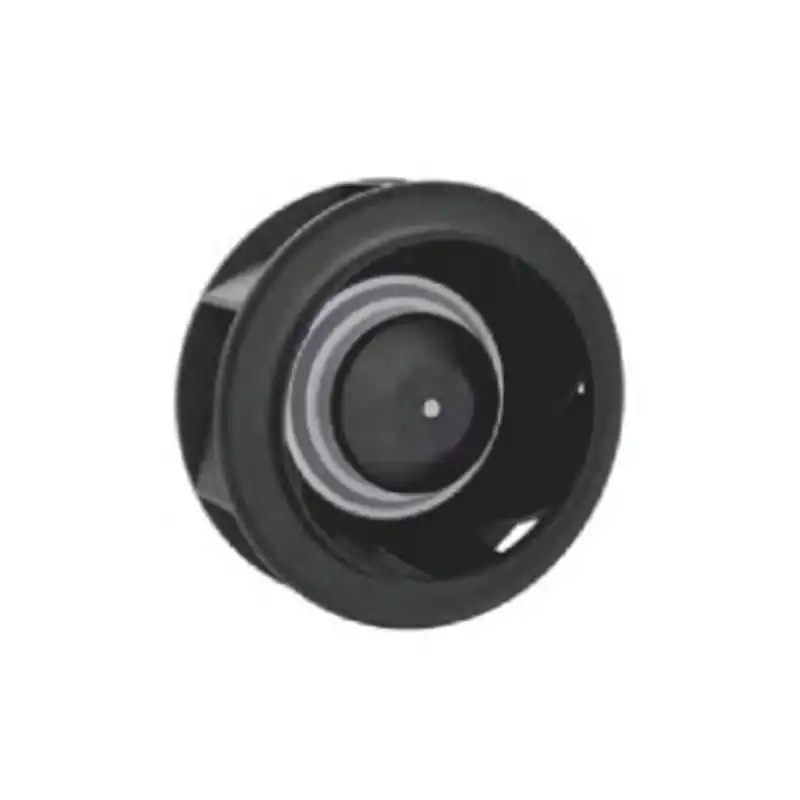
1. Noise control features of EC fans
The main difference between the design of EC Backward Tilting Centrifugal Fans and traditional fans is the use of electronic speed control technology. Traditional fans adjust the wind speed by changing the operating frequency of the motor, but this method often leads to an imbalance between noise and energy efficiency. EC fans, on the other hand, combine a DC motor with a built-in electronic controller to accurately control the speed and power of the motor, achieving efficient operation within a wide speed range.
1. Balance between high efficiency and low noise
The electronic control technology used in EC Backward Tilting Centrifugal Fans makes its operation smoother, and the speed can be precisely adjusted according to demand, which not only improves the energy efficiency of the fan, but also effectively reduces the noise generated during operation. Traditional fans tend to generate large mechanical noise and airflow noise when adjusting the wind speed, because the power transmission between the motor and the fan blades is relatively rough. When the fan speed is high, the uneven air flow is also prone to vibration and noise. EC fans can maintain high efficiency at low speeds by precisely controlling the speed, which effectively reduces the turbulence of air flow and thus reduces airflow noise.
2. Optimized blade design
EC Backward Tilting Centrifugal Fans usually have backward tilted blades, and the blade angle and shape are optimized to achieve higher aerodynamic efficiency. This design can reduce the turbulence generated when the air flows through the fan blades while maintaining high air volume, reducing the friction and vibration between the blades and the air, thereby reducing the generation of noise. At different speeds, the blade design can also ensure the smooth distribution of airflow, so that the fan noise is kept at a low level.
3. Noise isolation of the fan housing
In addition to optimizing internal components, the housing design of EC fans is also the key to reducing noise. Modern EC fans are usually equipped with noise isolation or shock absorption design, which reduces vibration transmission and air noise transmission by using sound insulation materials, optimizing the structure of the shell, etc. This design effectively reduces the mechanical noise generated by the fan during operation, especially at high wind speed and high load, and can maintain a low noise level.
2. The trade-off between high efficiency and low noise of EC Backward Tilting Centrifugal Fans
When traditional fans improve efficiency, they often need to increase the speed, which will cause greater noise problems. In contrast, EC fans have achieved a better balance between high efficiency and low noise. Its unique electronic control system can adjust the motor speed according to actual needs, so that it can maintain a lower speed under low load or small demand, thereby reducing energy consumption and noise; in the case of heavy load, the electronic control system of the EC fan can intelligently adjust the speed to ensure efficient operation while still maintaining a relatively low noise level.
1. Adapt to different working environments
EC Backward Tilting Centrifugal Fans can automatically adjust the wind speed according to the load requirements in different environments, which means that in some special applications, such as data centers or hospitals, EC fans can automatically adjust the speed according to the air flow requirements, avoiding the noise surge of traditional fans. Especially in these noise-sensitive environments, EC fans can reduce the speed when needed to minimize noise pollution and ensure a quiet environment.
2. Wide speed range
The speed of EC fans can be adjusted in a wide range to ensure that they can adapt to different working needs. At low loads, the fan speed can be reduced to a lower level, which not only saves energy but also minimizes noise. Even at high loads, EC fans can still maintain low noise output through optimized blade design and electronic control systems. Therefore, EC fans are not only quiet and efficient at low speeds, but also operate at low noise levels at high speeds.
3. Application of EC fans in sensitive environments
Noise control is particularly important in some environments with strict noise requirements, such as medical institutions, laboratories, office environments and data centers. EC fans are ideal ventilation solutions for these environments due to their low noise, high efficiency and intelligent adjustment functions.
1. Hospitals and medical environments
In medical environments such as hospitals, a quiet environment is essential for the patient's recovery. Excessively noisy ventilation equipment not only affects the patient's rest, but may also affect the normal operation of medical facilities. The low noise characteristics of EC fans make them ideal for areas such as hospital operating rooms, wards, corridors, etc. By precisely controlling the wind speed and reducing airflow noise, EC fans can ensure a quiet medical environment and avoid the noise interference caused by traditional fans at high wind speeds.
2. Data Centers
As an environment that relies heavily on precise temperature control for operation, data centers have very high requirements for air circulation. At the same time, due to the large number of equipment and heavy workloads, noise problems are becoming increasingly serious. EC fans can control the noise level while maintaining efficient air circulation, avoiding the noise interference caused by traditional fans when running at high speeds. Through intelligent control systems, EC fans can adjust the speed when the load is low to ensure that the noise is within an acceptable range, thereby ensuring the normal operation of the equipment while also improving the comfort of the data center.
3. Office and Commercial Environments
In offices and commercial environments, low-noise ventilation equipment can significantly improve work efficiency and employee comfort. EC fans are widely used in these places due to their characteristics of providing efficient airflow at low noise. Through their intelligent speed regulation function, EC fans can adjust the wind speed according to environmental needs, reduce unnecessary noise pollution, and maintain a quiet working environment.
Địa chỉ email của bạn sẽ không được công bố. Các trường bắt buộc được đánh dấu *

Chiết Giang Nicety Electric Machinery Co., Ltd. chuyên sản xuất bốn dòng sản phẩm: quạt điện tử ngưng tụ, quạt tản nhiệt (bình nước), quạt gió và cụm điều hòa không khí. Sản xuất chuyên nghiệp quạt hướng trục ô tô DC thương hiệu Mỹ, Châu Âu, Nhật Bản, Hàn Quốc Và Nội Địa.
Email: [email protected] / huệ@zjnem.com
Tel: +86-0578-7125439 / +86 181 0658 9231
Address:Số 98, đường Quảng Đại, Khu công nghiệp Kim Sa, thành phố Long Tuyền, tỉnh Chiết Giang, Trung Quốc