Liên hệ với chúng tôi
Địa chỉ email của bạn sẽ không được công bố. Các trường bắt buộc được đánh dấu *
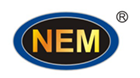
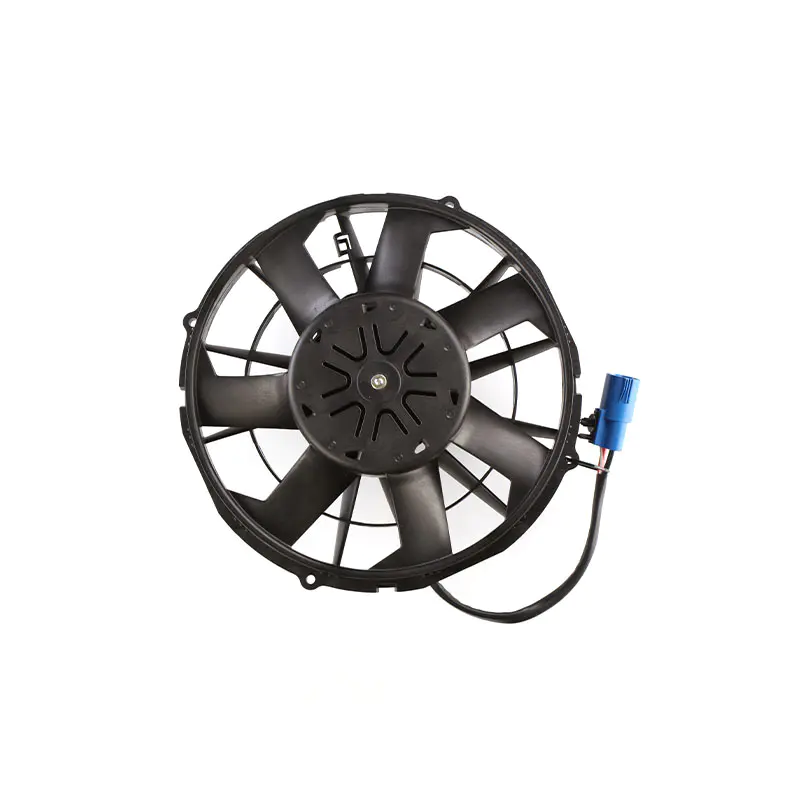
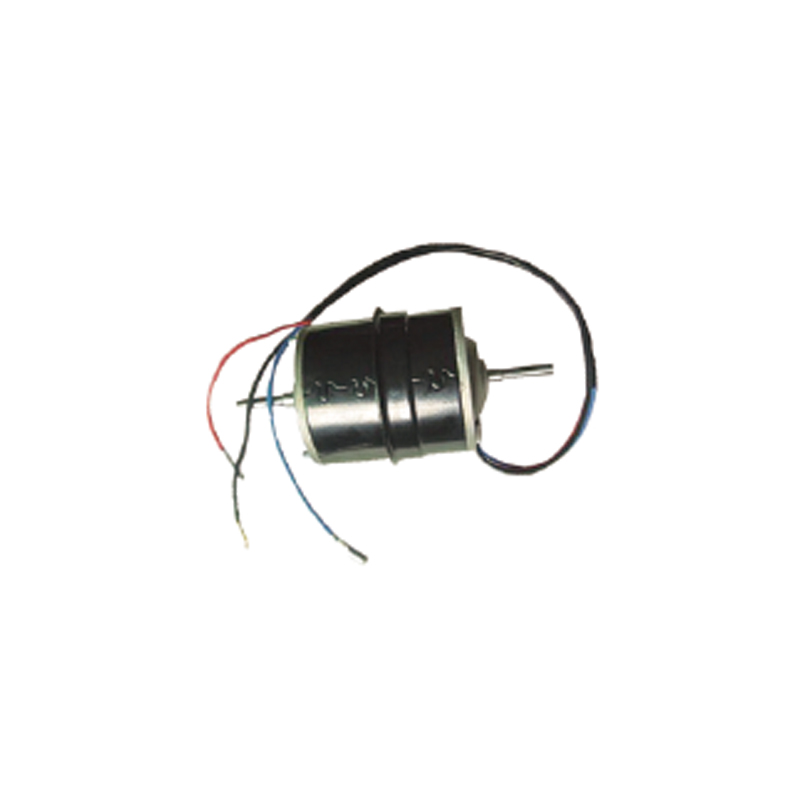
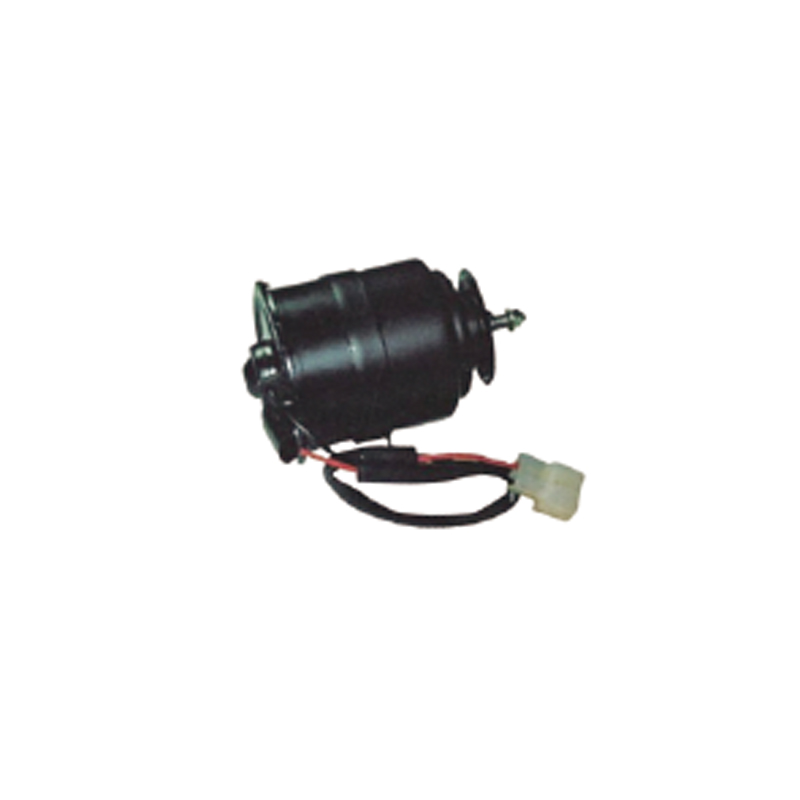
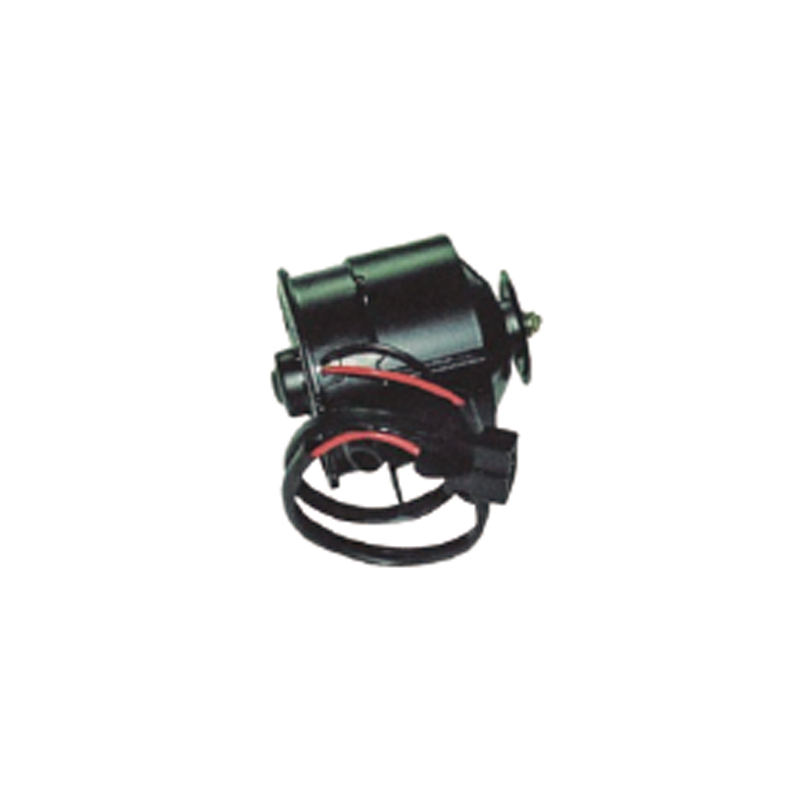
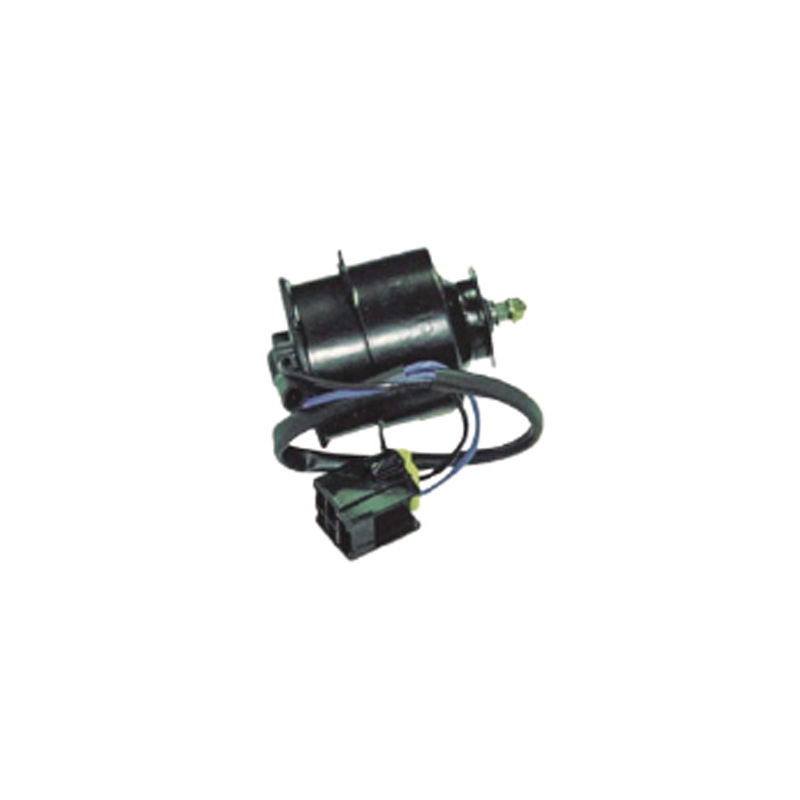
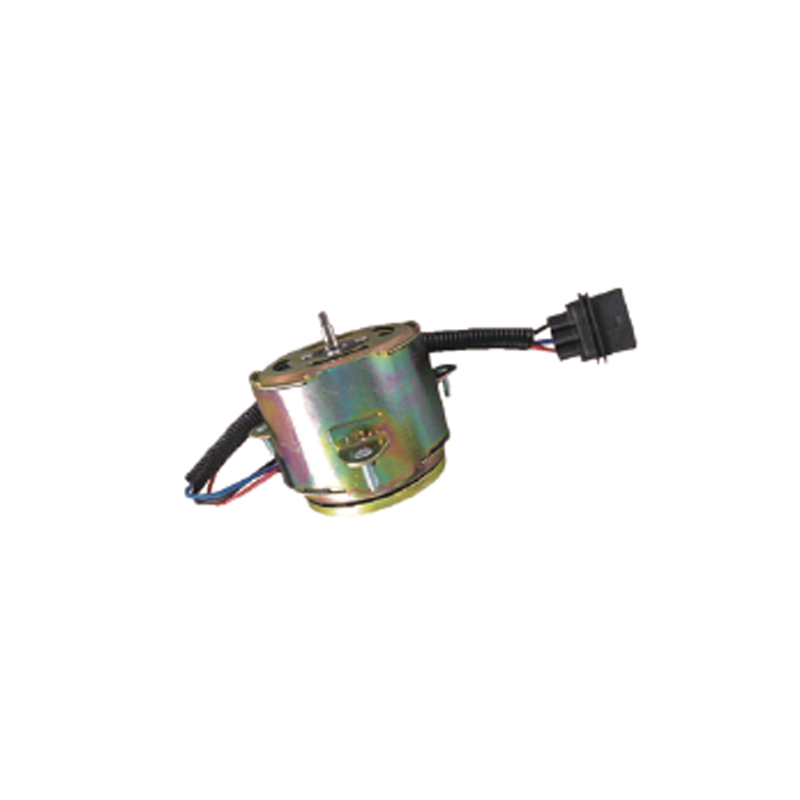
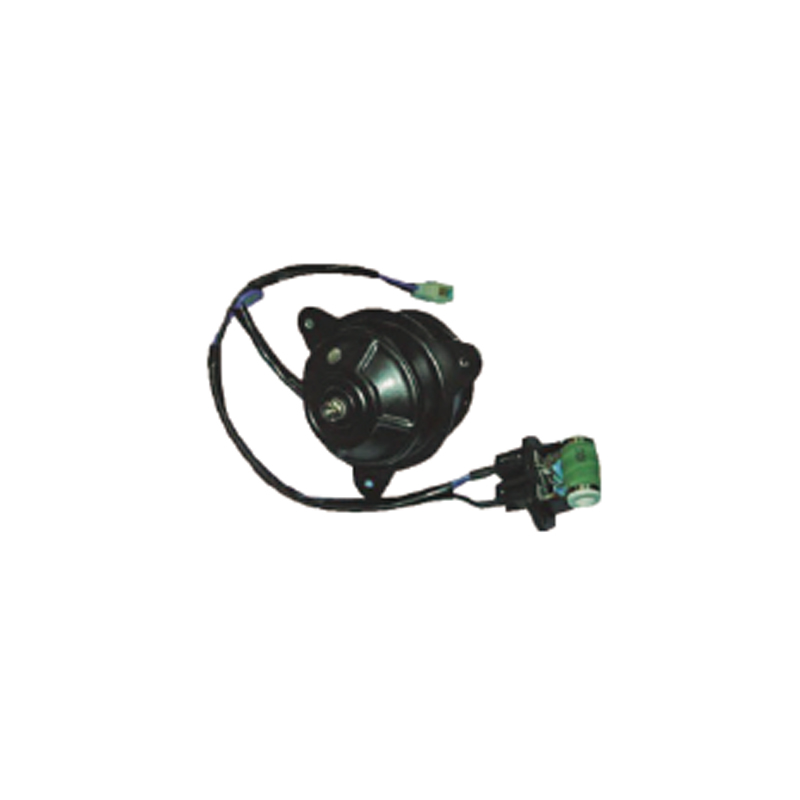
Sự chuyển đổi sang điện khí hóa và mật độ năng lượng cao hơn đã xác định lại việc quản lý nhiệt. Động cơ đốt trong, động cơ điện, bộ pin và thiết bị điện tử công suất đều tạo ra nhiệt cần được tiêu tán một cách đáng tin cậy. Quạt hướng trục ô tô DC đã nổi lên như là giải pháp chính để làm mát không khí cưỡng bức trong những môi trường này. Không giống như quạt AC truyền thống, các biến thể DC tích hợp liền mạch với hệ thống điện của xe và mang lại khả năng điều khiển chính xác.
Hướng dẫn này cung cấp cho các kỹ sư và chuyên gia mua sắm dữ liệu hữu ích—từ các nguyên tắc vận hành cơ bản đến danh sách kiểm tra kỹ thuật trước khi mua. Chúng tôi tập trung vào kiến trúc DC không chổi than (BLDC), vốn thống trị hiện đại làm mát ô tô do độ bền và hiệu quả của chúng.
Thông tin chi tiết chính: Quạt hướng trục BLDC thông thường hoạt động ở tốc độ 25.000–40.000 giờ so với 3.000 giờ đối với loại có chổi than—một điểm khác biệt quan trọng đối với xe điện và các ứng dụng công suất lớn.
Một quạt hướng trục di chuyển không khí dọc theo trục cánh quạt. Không khí đi vào song song với trục và thoát ra theo cùng một hướng, khiến những chiếc quạt này trở nên lý tưởng cho các ứng dụng có lưu lượng cao, áp suất thấp đến trung bình như làm mát bộ tản nhiệt và HVAC.
Hệ thống điện trên xe vốn dĩ là DC (12V hoặc 24V). Sử dụng một quạt hướng trục DC không chổi than ô tô thiết kế loại bỏ sự cần thiết của bộ biến tần, giảm trọng lượng và cho phép điều khiển tốc độ xung trực tiếp. Động cơ BLDC sử dụng chuyển mạch điện tử thay vì chổi than cơ học, loại bỏ tổn thất do ma sát và rủi ro phát ra tia lửa điện.
Cấu trúc không chổi than trực tiếp giải quyết các điểm yếu của quạt chổi than truyền thống: tuổi thọ ngắn, tiếng ồn khó nghe và khả năng điều chỉnh tốc độ kém. Dưới đây là một so sánh trực tiếp.
| đặc trưng | Động cơ chải | Trục DC không chổi than |
|---|---|---|
| Tuổi thọ (giờ) | ~3.000 | 25.000–40.000 |
| Hiệu quả | Đường cơ sở | Cao hơn tới 20% |
| Độ ồn | Cao hơn (ma sát bàn chải) | Thấp hơn (chuyển mạch trơn tru) |
| Kiểm soát tốc độ | Bật/Tắt hoặc bước | điều khiển vô cấp |
| Dòng điện khởi động | Gai lớn | Khởi động mềm, được bảo vệ |
| Động cơ size | Cồng kềnh hơn | Nhỏ gọn |
Chuyển mạch điện tử trong động cơ BLDC cho phép các tính năng nâng cao như điều khiển quạt ô tô , điều chỉnh tốc độ tuyến tính mà không gây ra ứng suất nhiệt như các phương pháp dựa trên điện trở. Điều này đặc biệt có giá trị đối với việc làm mát pin EV, nơi tải nhiệt thay đổi linh hoạt.
Việc lựa chọn quạt phù hợp đòi hỏi phải xem xét một cách có hệ thống các giới hạn về luồng không khí, điện, nhiệt và cơ học.
Giá trị CFM tối thiểu phụ thuộc vào dung tích động cơ và tải nhiệt. Đây là những tiêu chuẩn chung cho việc làm mát bằng không khí cưỡng bức bằng bộ tản nhiệt sạch.
Luôn xác nhận xem định mức CFM được đo trong không khí tự do hay khi lắp lõi tản nhiệt. A quạt hướng trục CFM cao trong điều kiện không khí tự do có thể giảm 30–50% khi được nạp.
Xe khách sử dụng hệ thống 12V; xe thương mại và thiết bị địa hình sử dụng điện áp 24V. Phạm vi hoạt động phải bao gồm các điều kiện nhất thời của xe. Đối với hệ thống 24V, hãy yêu cầu phạm vi hoạt động từ 16–32V để đáp ứng hiện tượng gợn sóng và tải của máy phát điện.
Nhiệt độ môi trường quyết định việc lựa chọn vật liệu và bôi trơn ổ trục. Các lớp điển hình:
Luôn yêu cầu đường cong giảm nhiệt từ nhà cung cấp. Một quạt hướng trục để làm mát EV được gắn gần bộ pin có thể thấy nhiệt độ xung quanh duy trì ở mức 75°C, trong khi các vị trí dưới mui xe vượt quá 100°C.
Tuổi thọ L10 là thời gian (tính bằng giờ) cho đến khi 10% dân số thất bại ở tốc độ RPM và nhiệt độ nhất định. So sánh dữ liệu L10 tại điểm vận hành cụ thể của bạn, không phải ở nhiệt độ phòng danh nghĩa.
Một Quạt hướng trục IP68 với thiết bị điện tử kín đảm bảo độ tin cậy trong bùn, phun muối và nước đọng.
Tính linh hoạt của quạt hướng trục DC không chổi than trải rộng trên nhiều loại phương tiện và hệ thống.
Trước khi phát hành đơn đặt hàng hoặc yêu cầu mẫu, hãy xác minh những điểm quan trọng này với nhà cung cấp của bạn. Danh sách này làm giảm nguy cơ thất bại tích hợp.
Việc sử dụng danh sách kiểm tra này đảm bảo quạt được chọn tương thích với môi trường ô tô trong thế giới thực. Một sự đáng tin cậy Nhà cung cấp quạt hướng trục DC sẽ cung cấp những dữ liệu này mà không do dự.
Quạt hướng trục ô tô DC không chổi than mang lại tuổi thọ, hiệu suất và khả năng điều khiển vượt trội so với các giải pháp chổi than hoặc AC truyền thống. Việc áp dụng chúng trực tiếp hỗ trợ nhu cầu nhiệt của hệ truyền động điện khí hóa và hiệu suất cao.
Khi chọn quạt, hãy ưu tiên CFM đã được xác minh khi chịu tải, giảm nhiệt độ đã được xác nhận và tuổi thọ ổ trục đã được chứng minh. Thu hút các nhà cung cấp cung cấp hỗ trợ kỹ thuật trong giai đoạn NPI và có thể đáp ứng các giao diện cơ và điện tùy chỉnh.
Để biết kích thước chi tiết, yêu cầu mẫu hoặc định giá theo số lượng, hãy liên hệ với nhóm bán hàng kỹ thuật của chúng tôi. Chúng tôi cung cấp các đề xuất dành riêng cho ứng dụng và dữ liệu hiệu suất được ghi lại.
Trong điều kiện hoạt động bình thường (môi trường xung quanh 40°C–70°C, vòng bi), tuổi thọ L10 thường dao động từ 25.000 đến 40.000 giờ. Ở nhiệt độ cao hơn, tuổi thọ giảm; luôn tham khảo đường cong suy giảm từ nhà sản xuất.
Xe khách sử dụng hệ thống 12V; xe tải thương mại, xe buýt và thiết bị địa hình sử dụng điện áp 24V. Chọn dựa trên kiến trúc điện của xe bạn. Có một số quạt điện áp kép nhưng chúng ít phổ biến hơn và thường kém hiệu quả hơn.
IP68 chống bụi và được bảo vệ khi ngâm trong thời gian dài ở độ sâu 1 mét. IP6K9K bổ sung khả năng bảo vệ chống lại các tia nước áp suất cao, nhiệt độ cao—thích hợp cho việc rửa máy móc hạng nặng. Cả hai đều được sử dụng trong ô tô nhưng IP6K9K khắt khe hơn.
Về mặt kỹ thuật thì có, nhưng nó làm tăng thêm độ phức tạp, chi phí và các điểm thất bại tiềm ẩn. Sẽ hiệu quả và đáng tin cậy hơn khi chọn một chiếc quạt được đánh giá cụ thể cho điện áp hệ thống của bạn.
Điều khiển bằng xung điện tử cho phép điều chỉnh tốc độ vô cấp, giảm tiếng ồn khi tải một phần và cải thiện hiệu quả sử dụng năng lượng. Nó cũng giảm thiểu ứng suất luân chuyển nhiệt lên cuộn dây động cơ, kéo dài tuổi thọ.
Địa chỉ email của bạn sẽ không được công bố. Các trường bắt buộc được đánh dấu *

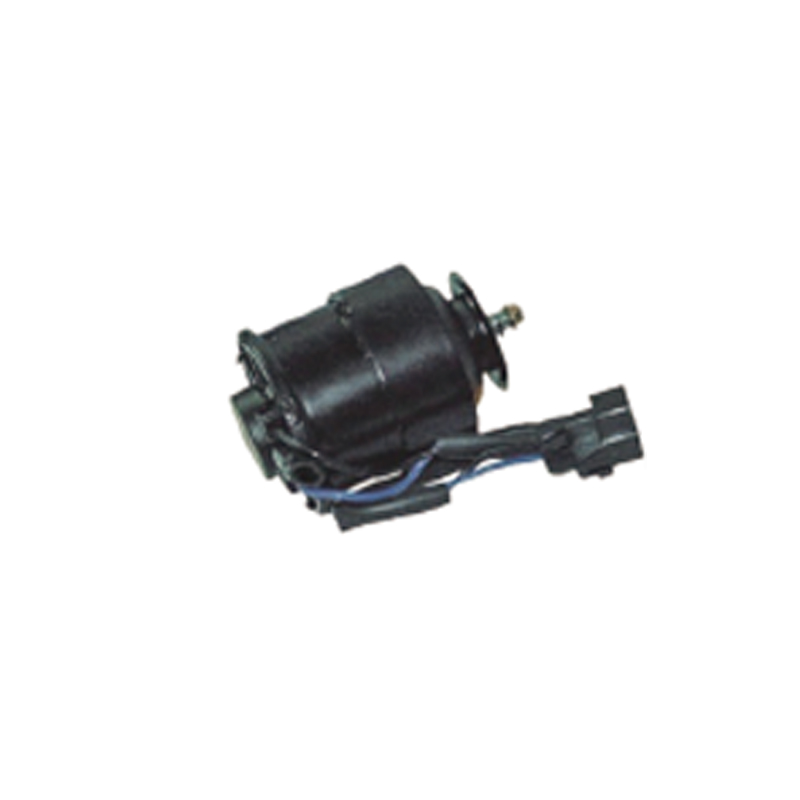
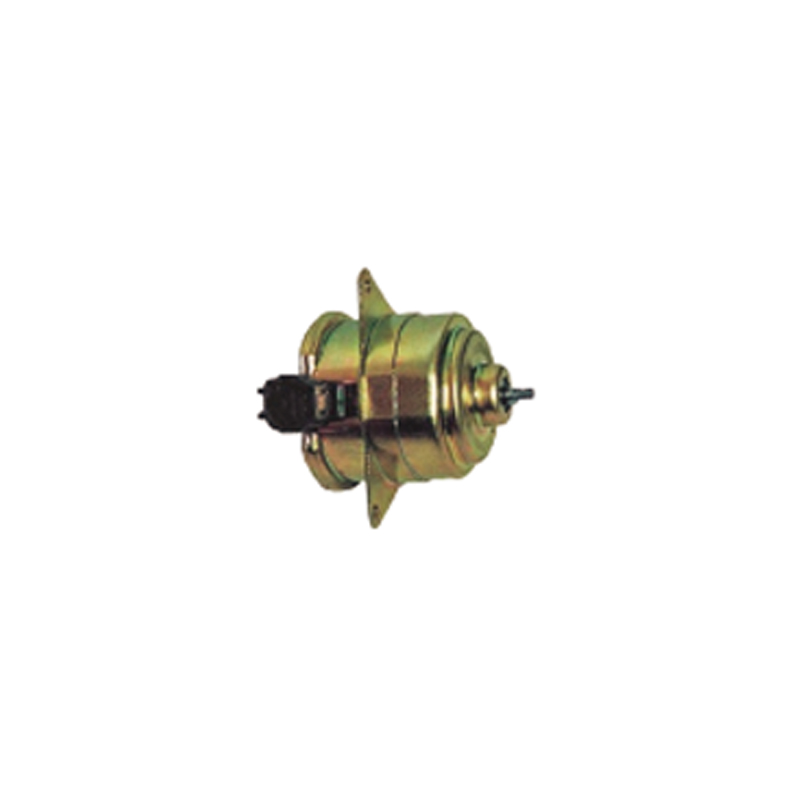
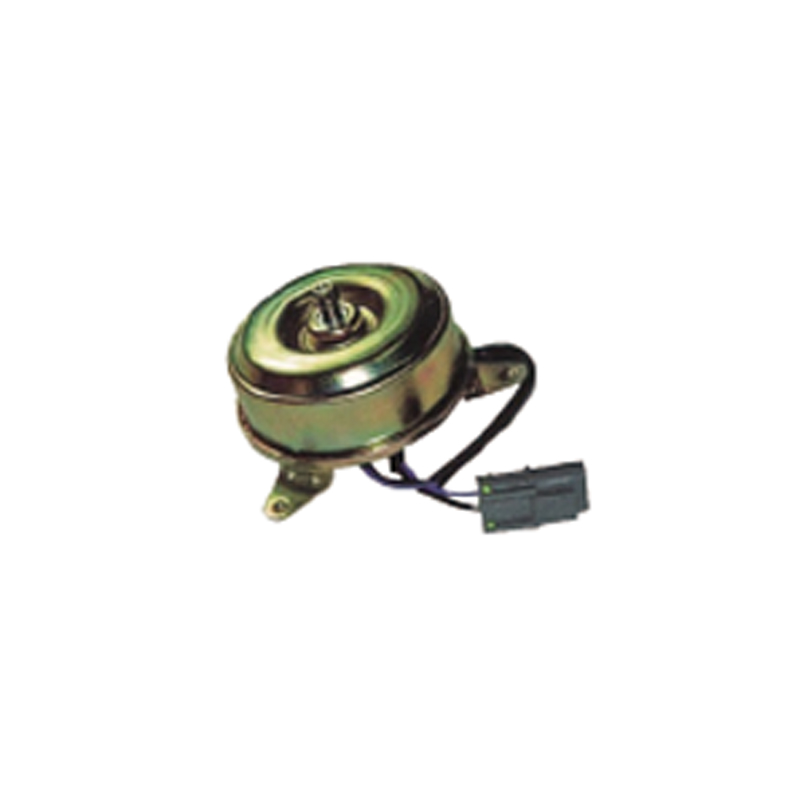
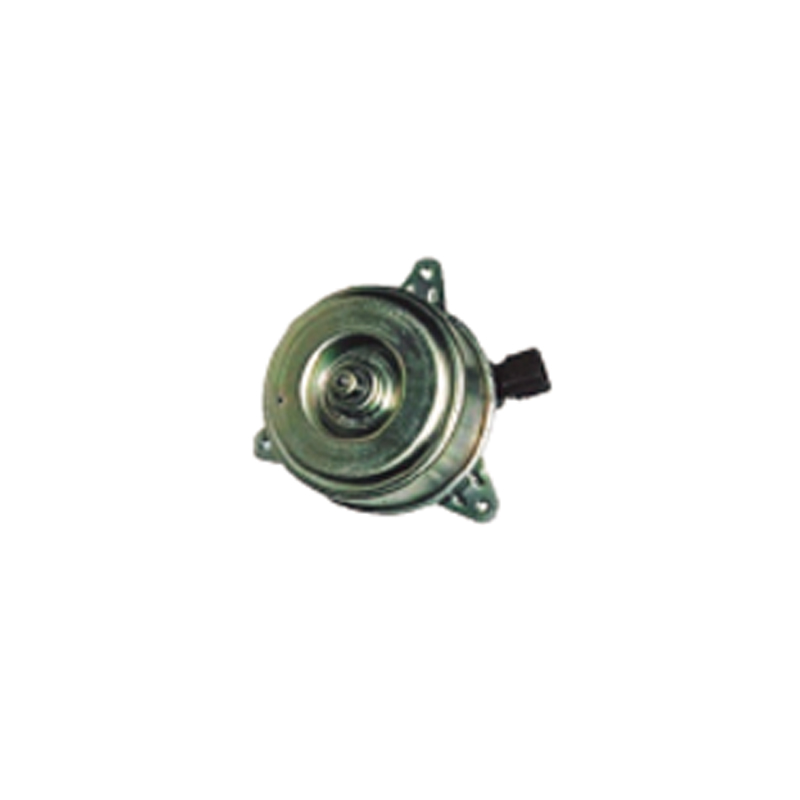
Chiết Giang Nicety Electric Machinery Co., Ltd. chuyên sản xuất bốn dòng sản phẩm: quạt điện tử ngưng tụ, quạt tản nhiệt (bình nước), quạt gió và cụm điều hòa không khí. Sản xuất chuyên nghiệp quạt hướng trục ô tô DC thương hiệu Mỹ, Châu Âu, Nhật Bản, Hàn Quốc Và Nội Địa.
Email: [email protected] / huệ@zjnem.com
Tel: +86-0578-7125439 / +86 181 0658 9231
Address:Số 98, đường Quảng Đại, Khu công nghiệp Kim Sa, thành phố Long Tuyền, tỉnh Chiết Giang, Trung Quốc